PORTRAIT
Samantha
A resilient voice from Las Vegas, now dedicated to global cancer advocacy

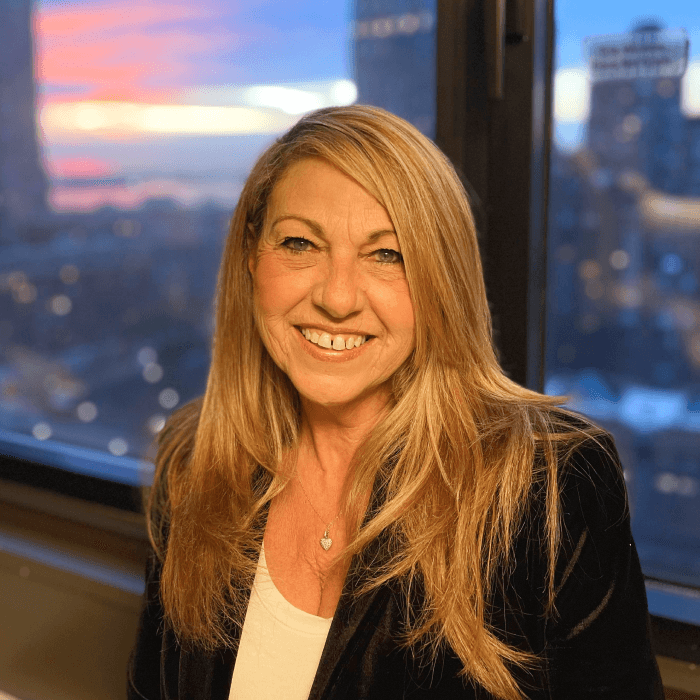
Co-created with Samantha, this portrait focuses on her deeply personal feelings and the message she wishes to share, intentionally looking beyond the medical details of her cancer.
Las Vegas, Nevada, US: In 2016, at 27 years old, Samantha was simply trying to understand why something felt wrong.
Her symptoms were easy to dismiss, and her early medical follow-ups felt, in her words, like a “low urgency” situation. But her intuition kept telling her otherwise. Instead of accepting the uncertainty, she kept searching until she found a gynecologic oncologist who confirmed a cervical cancer diagnosis.
Looking back she sees that moment as the first of many times she would need to trust herself, a pattern that would define the next decade of her life, and eventually, her life’s work.
Listening to Herself
After initial treatment, she hoped cancer was behind her. Instead, it returned — not once, but twice, pulling her into years of various treatments that reshaped her body and pushed her to her limits. By 2020, she was told there were no options left. Once again, her instinct told her otherwise.
Together with her husband, Jake, she left Las Vegas for Los Angeles to pursue a rare procedure that permanently changed her body and left her living with permanent medical devices.
Recovery meant relearning everyday tasks from scratch, and slowly, relearning herself.


“I hope that when I speak, other people finally feel heard too.”
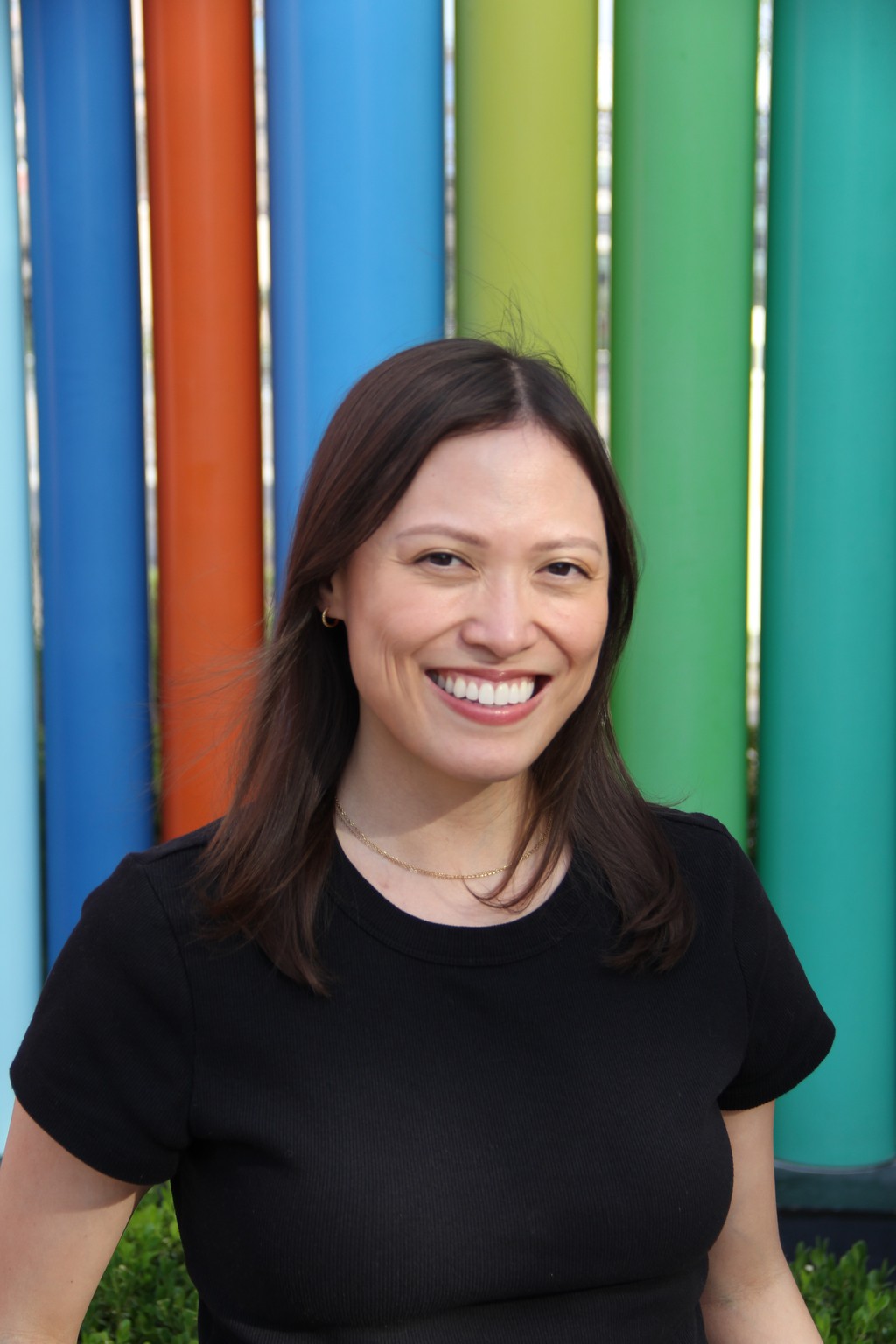

“I wouldn’t be here without the team behind me.”
A Team Effort
Cancer affected far more than just Samantha’s body. Early in her journey, as she pushed
through misdiagnosis and fought to be taken seriously, the toll went beyond the physical, daily panic attacks and periods of severe depression became a part of her reality. And once treatment ended, a new challenge emerged: PTSD that made recovery its own battle.
What helped her most were the people who showed up. Her husband stood by her as both partner and caregiver, and a circle of close friends rallied around them — making visits, organizing meal-trains and crowdfund support, and reminding them that they weren’t carrying it alone. Just as critical, was finally finding a medical team that truly listened: doctors who were as supportive and validating as they were skilled, and who made her feel like a partner in her own care rather than a bystander in it.
“I wouldn’t be here without the team behind me.”
During the hardest stretches, she also found herself tuning into art. She made music playlists for different moods and lost herself in movies and TV shows, searching for something that understood what she was really going through. When she watched 50/50, she remembered thinking someone gets it. That feeling of being seen planted something in her. If a story could make her feel less alone, maybe her own story could do the same for someone else.
That instinct eventually became vlogging, then sharing her journey more publicly. What started as processing her own experience out loud slowly became something bigger: a voice she now ends not just to her own story, but to a broader community of people living through the same things.
From Self-Advocacy to Advocacy
Looking back, Samantha believes self-advocacy helped saved her life. Today, that lesson
shapes everything she does, including how she continues to care for herself. She sees professional mental health therapy, pelvic floor/physical therapy, and hyperbaric oxygen treatment as intentional, ongoing choices she makes for her own recovery.
She often speaks about the need to “unlearn staying small and quiet.” That belief now shows up everywhere: media interviews, community events, speaking engagements, and participation in patient research. Through her work with organizations like ACS CAN, IGCS, and Cure51, she encourages people to ask questions and trust what they know about their own bodies.
Her message is especially important for women. Samantha believes women across cultures are often discouraged from speaking openly about their health and questioning what they’re told.
She wants to help change that, through cervical cancer awareness campaigns, honest conversations, policy work, and continuing to share her experience.
“I hope that when I speak, other people finally feel heard too.”
Compassion & Community
Survivorship doesn’t come with a manual, and Samantha has learned not to push herself to have it all figured out. Recovery looks different for everyone, and part of her own healing has meant trusting her own process instead of comparing it to anyone else’s, leaning into what genuinely speaks to her instead of what she thought surviving was supposed to look like.
That’s also meant redefining who she is beyond the patient she once had to be, and beyond the life she had before. There’s a newness to who she is now, and she’s learned to sit with that instead of rushing to solve it.
She’s also learned she was never doing any of this alone, not really. There’s the version of herself who carried her through the hardest times, and there’s everyone who walked alongside her through those years too: her husband, family & friends, her doctors. Today, that circle continues to expand. Volunteering, meeting other patients, connecting with researchers and
organizations, these relationships were vital to her recovery, and they continue to be what keeps her moving forward.
“Lean on yourself. Lean on your people.”