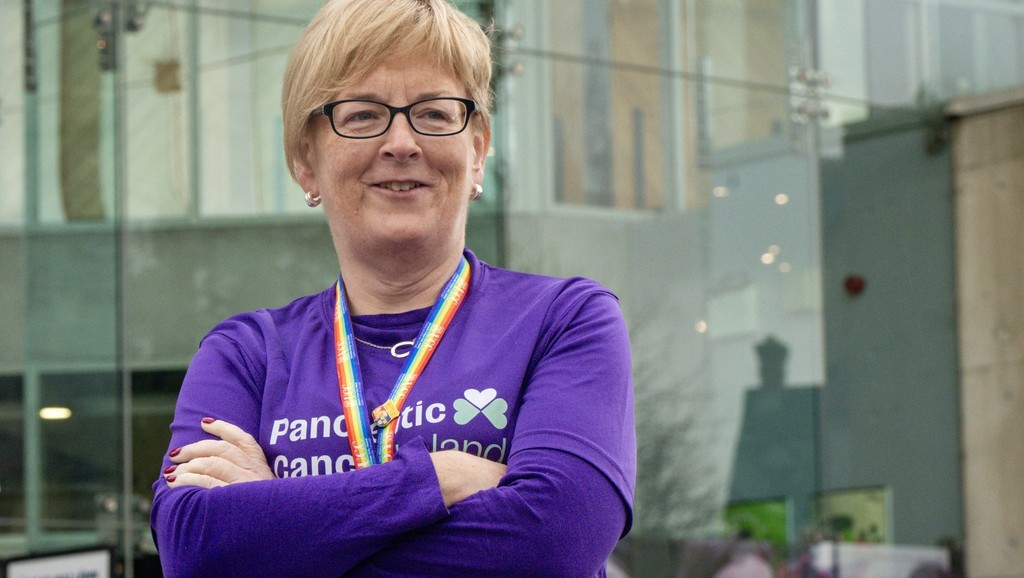
Helen: from searching for support to supporting others
Helen founded the Brainstrust UK to support brain cancer patients
ABOUT Helen


Cowes, Isle of Wight, United Kingdom: After her daughter was diagnosed with a grade 2 glioma in 2004, Dr. Helen Bulbeck quickly discovered how difficult it was to find reliable information and meaningful support. During that first year, her family often felt lost, with few resources to help them navigate life with a brain tumor. Determined that no one else should experience that same uncertainty, Helen and her husband founded brainstrust UK, a charity dedicated to ensuring that no brain cancer patient or caregiver has to face that journey alone. ”We decided we didn’t want anyone to feel as lost as we were, so we established Brainstrust.“ A cancer survivor herself, Helen has spent more than two decades turning her family's experiences into practical support for thousands of others. At the heart of Helen's advocacy is a simple belief: every patient and caregiver deserves the information they need to make decisions that are right for them.


After feeling that her daughter's first oncology team had not fully explained all the available treatment options, Helen became committed to helping others make informed choices that reflect their own values and circumstances. Today, Brainstrust provides balanced, evidence-based information alongside coaching, workshops and personalized support, empowering people to become active partners in their care.
Helen is also a passionate advocate for caregivers, whose needs are often overlooked. Having cared for both her daughter and, later, her husband during his prostate cancer journey, she understands the emotional weight caregivers carry and the importance of caring for themselves too. She encourages caregivers to protect their own well-being by creating small moments of joy, maintaining their identity and building a strong support network.
Through Brainstrust's dedicated caregiver services, Helen continues to champion the idea that supporting caregivers ultimately benefits patients as well. Helen's work demonstrates that patient advocacy is also about helping every person feel informed, supported and less alone.
“You just have to live your best possible life, and not let the diagnosis and the fallout of it define who you are.”